Orofacial myofunctional disorders (OMDs) in children involve differences in how the muscles of the face, lips, tongue, and jaw function during breathing, resting posture, speech, and feeding. These patterns can influence speech development, feeding skills, dental growth, and even sleep and attention. Early support is important, as these habits can shape long-term oral and facial development.
Tongue Thrust / Incorrect Swallow Pattern:
- Characteristics: Tongue pushes forward against or between the teeth during swallowing or speech.
- May contribute to speech sound errors (especially /s/, /z/, /t/, /d/) and dental changes.
Mouth Breathing:
- Characteristics: Habitual breathing through the mouth rather than the nose.
- Often seen with open-mouth posture, dry lips, restless sleep, and reduced concentration.
Low Tongue Posture:
- Characteristics: Tongue rests low in the mouth instead of against the palate.
- Can affect jaw development, speech clarity, and airway support.
Malocclusion (Dental Alignment Concerns):
- Types may include:
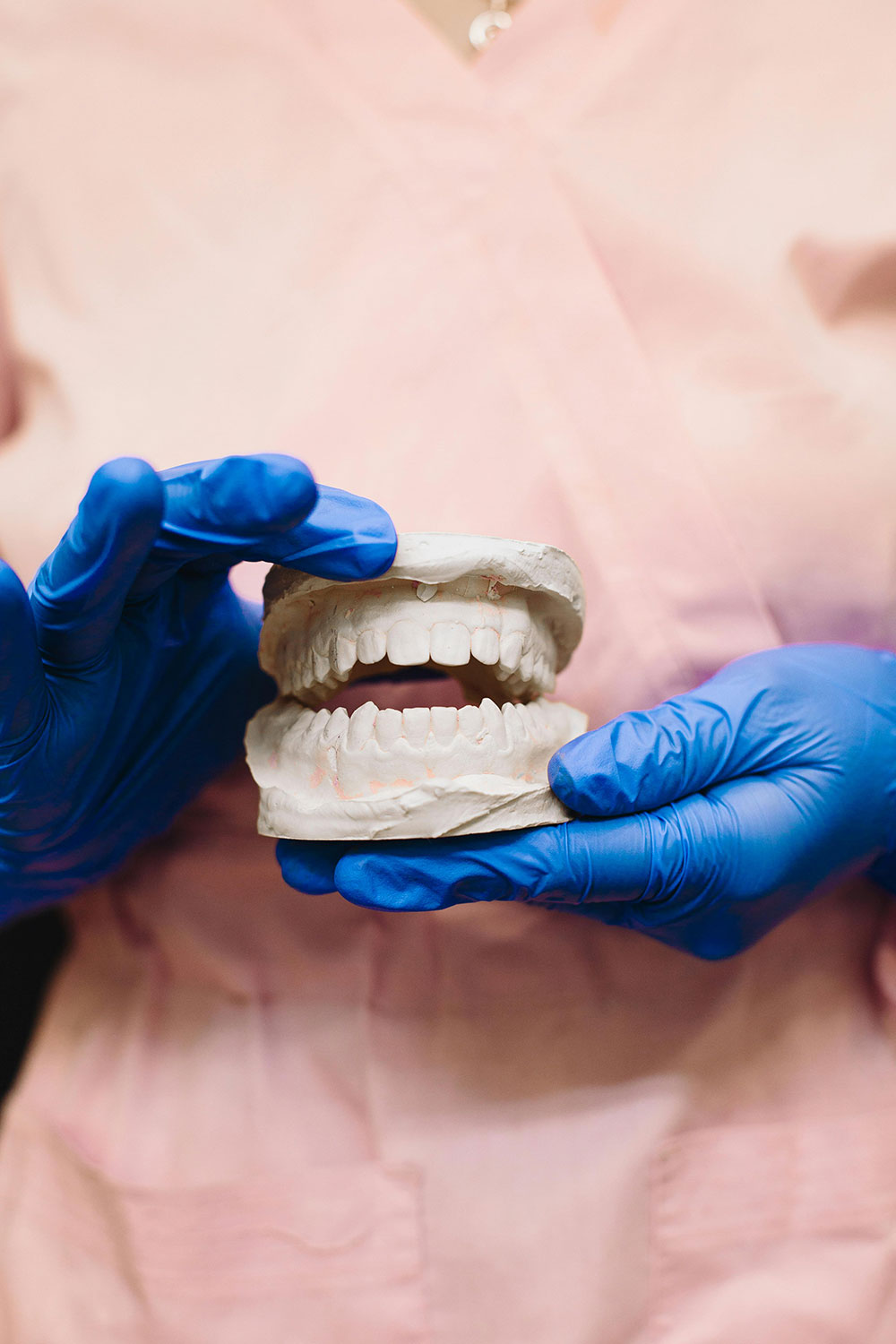
- Open bite: Front teeth do not meet when the mouth is closed.
- Overjet (“protruding teeth”): Upper teeth sit significantly forward.
- Crossbite: Upper and lower teeth do not align properly side-to-side.
- Characteristics: Often linked to oral habits such as tongue thrust, thumb sucking, or prolonged dummy use.
Dummy (Pacifier) Use & Oral Habits:
- Characteristics: Prolonged use may contribute to tongue thrust, open bite, and altered tongue posture.
- May also impact speech sound development and oral muscle strength.
Lip Tie / Tongue Tie (Tethered Oral Tissues):
- Characteristics: Restricted movement of the lip or tongue due to tight tissue attachments (frenulum).
- May affect breastfeeding, bottle feeding, chewing, swallowing, and later speech development.
Feeding and Oral-Motor Difficulties:
- Characteristics: Difficulty chewing, managing textures, messy eating, gagging, or food refusal.
Reference:
American Speech-Language-Hearing Association (ASHA) – Orofacial Myofunctional Disorders Practice Portal.
How the Practice Can Help:
- Exercises to strengthen and coordinate the tongue, lips, and jaw.
- Training correct tongue resting posture, swallowing patterns, and nasal breathing.
- Support for eliminating oral habits (e.g., dummy use, thumb sucking).
- Collaboration with dentists, orthodontists, and other professionals where needed.
- Pre- and post-operative support for lip/tongue tie release:
- Pre-op: Preparing the muscles and improving awareness for better outcomes.
- Post-op: Exercises to support healing, improve mobility, and prevent reattachment.
- Parent coaching to ensure consistent carryover at home.