In adults, orofacial myofunctional disorders involve long-standing or acquired patterns affecting the muscles of the face, tongue, and jaw. These patterns can impact speech clarity, swallowing, breathing, dental stability, and even sleep quality. OMDs may persist from childhood or develop following injury, surgery, or neurological conditions.
Tongue Thrust / Dysfunctional Swallow:
- Characteristics: Forward tongue movement during swallowing.
- May lead to dental relapse after orthodontic treatment and ongoing speech distortions.
Mouth Breathing / Airway Patterns:
- Characteristics: Habitual mouth breathing, often linked to poor sleep, fatigue, or airway concerns.
Low Tongue Posture:
- Characteristics: Tongue rests low in the mouth rather than against the palate.
- Can affect breathing efficiency, speech clarity, and oral stability.
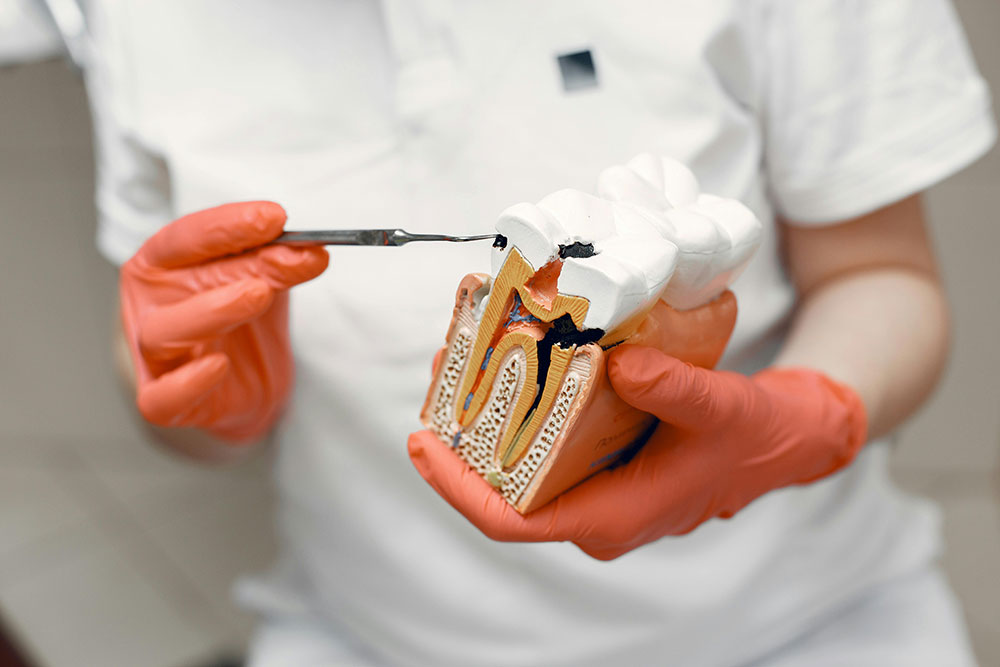
Malocclusion (Dental Alignment Concerns):
- Types may include: open bite, overjet, crossbite, or crowding.
- Characteristics: Often influenced by long-term muscle patterns and tongue posture.
Lip Tie / Tongue Tie:
- Characteristics: Restricted tongue or lip movement that may impact speech clarity, swallowing, oral hygiene, and tension in the jaw or face.
Orofacial Weakness or Incoordination:
- Characteristics: Reduced strength or coordination of facial muscles, affecting speech, swallowing, and facial expression.
- May be associated with neurological conditions.
Jaw Tension and Oral Habits (e.g., clenching, grinding):
- Characteristics: Discomfort, tension, or inefficient movement patterns affecting function.
Reference:
Mason, R. M. (2005). A retrospective and prospective view of orofacial myology. International Journal of Orofacial Myology.
How the Practice Can Help:
- Exercises to improve strength, coordination, and endurance of orofacial muscles.
- Retraining correct tongue posture, swallowing patterns, and breathing.
- Support for improving speech clarity and swallowing efficiency.
- Collaboration with orthodontists, dentists, and medical professionals.
- Pre- and post-operative support for lip/tongue tie release:
- Pre-op: Preparing muscles and establishing awareness of correct patterns.
- Post-op: Rehabilitation exercises to improve mobility, function, and long-term outcomes.
- Functional strategies to support communication, eating, and overall comfort.