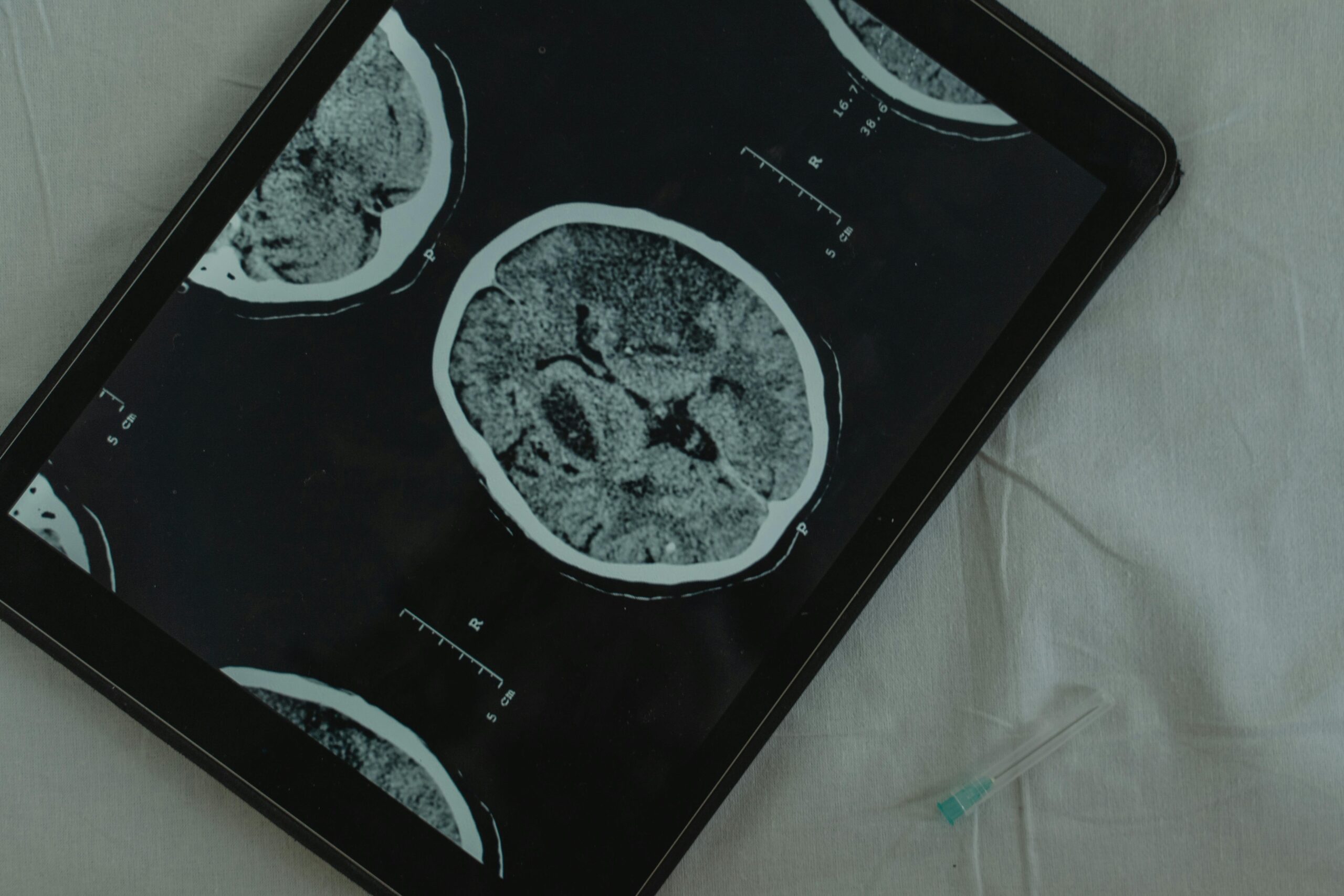
Aphasia is a language disorder that affects a person’s ability to understand or produce spoken or written language, often due to stroke or brain injury.
Types include:
- Broca’s aphasia (Non-Fluent): Speech is slow and effortful, with limited grammar. Understanding is relatively preserved.
- Wernicke’s aphasia (Fluent): Speech is fluent but may be nonsensical; comprehension is impaired.
- Global aphasia: Severe difficulty with both expression and understanding.
- Anomic aphasia: Difficulty finding words, while comprehension and grammar are intact.
Concerns:
Difficulty forming sentences, finding words, or understanding speech.
Trouble reading, writing, or following instructions.
How We Can Help:
- Individualized therapy to improve language comprehension, word retrieval, sentence formation, and functional communication.
- Use of strategies like gestures, writing supports, and communication aids.
- Training for caregivers to support everyday communication.
At Yajna Rabbipal Speech Therapy, therapy for adults is:
- Personalized: Tailored to each client’s specific goals and daily communication needs.
- Evidence-based: Uses proven techniques for speech, language, voice, and swallowing rehabilitation.
- Collaborative: Works with families, caregivers, and medical professionals for coordinated care.
- Flexible: Delivered in our office, at home, or in clinical settings depending on client needs.
Through assessment, therapy, and ongoing support, we help adults restore communication, regain independence, and improve quality of life after injury, illness, or progressive conditions.